Peru · Stratovolcano
Huaynaputina
- Type
- Stratovolcano
- Elevation
- 4679m
- Last eruption
- 1600
- Type
- Stratovolcano
- Country
- Peru
- Region
- South America / Central Andean Volcanic Arc
- Elevation
- 4679m
- Coordinates
- -16.614, -70.854
- Last eruption
- 1600
- Tectonic setting
- Subduction zone / Continental crust (> 25 km)
- Landform
- Composite
- Major rock type
- Dacite
Geological summary
Huaynaputina (whose name means "new volcano") was the source of the largest historical eruption of South America in 1600 CE.
Excerpt from the Global Volcanism Program, Smithsonian Institution · Read the full summary on GVP →
From Wikipedia
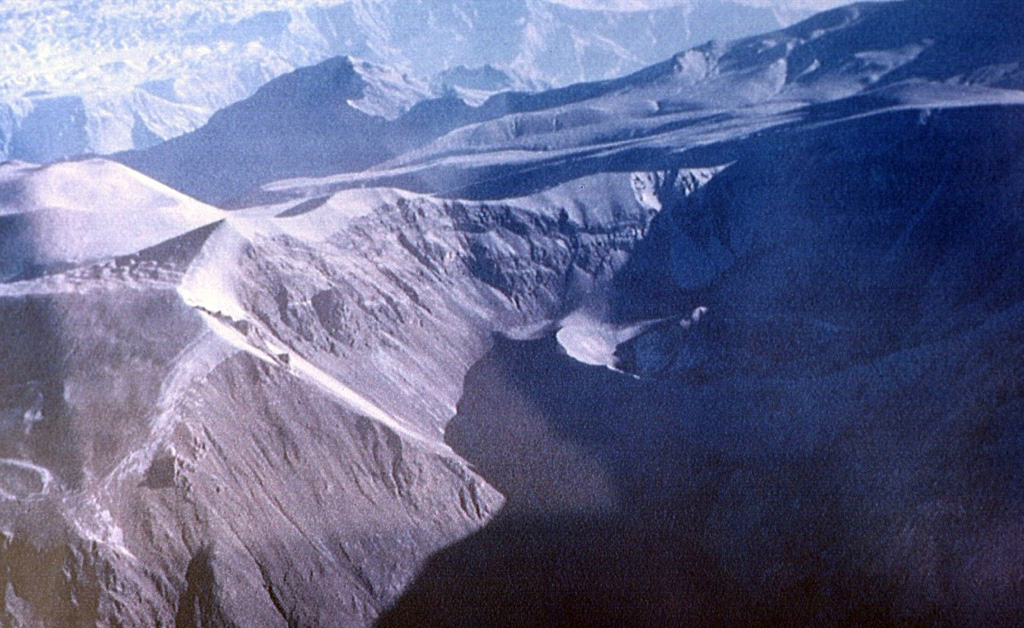
Huaynaputina is a volcano in a volcanic high plateau in southern Peru. Lying in the Central Volcanic Zone of the Andes, it was formed by the subduction of the oceanic Nazca Plate under the continental South American Plate. Huaynaputina is a large volcanic crater, which lacks an identifiable mountain profile, with an outer stratovolcano and three younger volcanic vents within an amphitheatre-shaped structure that is either a former caldera or a remnant of glacial erosion. The volcano has erupted dacitic magma.
Wikipedia · CC BY-SA · Read full article →
Eruption history
2 recordedGlossaryRecord summary
- Confirmed eruptions
- 2
- Uncertain eruptions
- 0
- Span of confirmed record
- 7750 BCE (±200 yrs) – 1600
- Largest confirmed eruption
- VEI 6 (1600)
- Confirmed eruptions since 1900
- 0
Detailed timeline
- 1600VEI 6Observed1600-02-17 – 1600-03-06Summit and south flank
- 7750 BCE (±200 yrs)VEI ?Geological estimate7750 BCE – end unknown
Nearby volcanoes
External links
⚠ For reference only. Not for emergency response.