Cameroon · Volcanic field
Oku Volcanic Field
- Type
- Volcanic field
- Elevation
- 3011m
- Last eruption
- Unknown
- Type
- Volcanic field
- Country
- Cameroon
- Region
- Northern Africa / Western Africa Volcanic Province
- Elevation
- 3011m
- Coordinates
- 6.250, 10.500
- Last eruption
- Unknown
- Tectonic setting
- Intraplate / Continental crust (> 25 km)
- Landform
- Cluster
- Major rock type
- Basalt / Picro-basalt
Geological summary
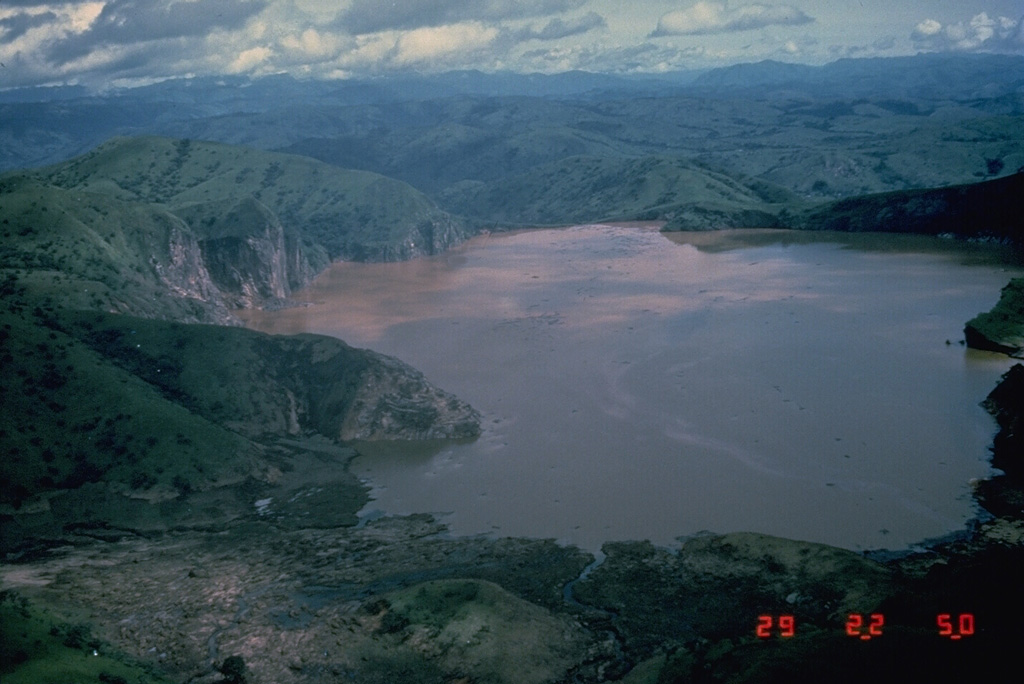
Numerous maars and basaltic cinder cones lie on or near the deeply dissected rhyolitic and trachytic Mount Oku massif along the Cameroon volcanic line. The Mount Oku stratovolcano is cut by a large caldera. The Oku volcanic field is noted for two crater lakes, Lake Nyos to the N and Lake Monoun to the S, that have produced catastrophic carbon-dioxide gas release events. The 15 August 1984 gas release at Lake Monoun was attributed to overturn of stratified lake water, triggered by an earthquake and landslide. The Lake Nyos event on 21 August 1986 caused at least 1,700 fatalities. The emission of ~1 km3 of magmatic carbon dioxide has been attributed either to overturn of stratified lake waters as a result of a non-volcanic process, or to phreatic explosions or injection of hot gas into the lake.
From Wikipedia
The Oku Volcanic Field or Oku Massif is a group of volcanoes based on a swell in the Cameroon Volcanic Line, located in the Oku region of the Western High Plateau of Cameroon. The Mount Oku stratovolcano rises to 3,011 m above sea level.
Wikipedia · CC BY-SA · Read full article →
Eruption history
2 recordedGlossaryDetailed timeline
- 1986VEI ?Method not stated1986-08-21 – 1986-12-30Lake Nyos
- 1550 (±100 yrs)VEI 3Method not stated1550 – end unknownLake Nyos
Nearby volcanoes
External links
⚠ For reference only. Not for emergency response.